
Villas have always epitomized opulence. However, our definition of what luxurious means has changed. Homeowners today aren’t looking for ostentatious ornamentation, but personalized, sustainable, intelligent interiors that exude sophistication and grace. If you’re embarking on the task of renovating a villa or building a new one, familiarizing yourself with the direction high-end villa interior design is headed will ensure you invest in designs that will not only hold their aesthetic value, but functional relevance.
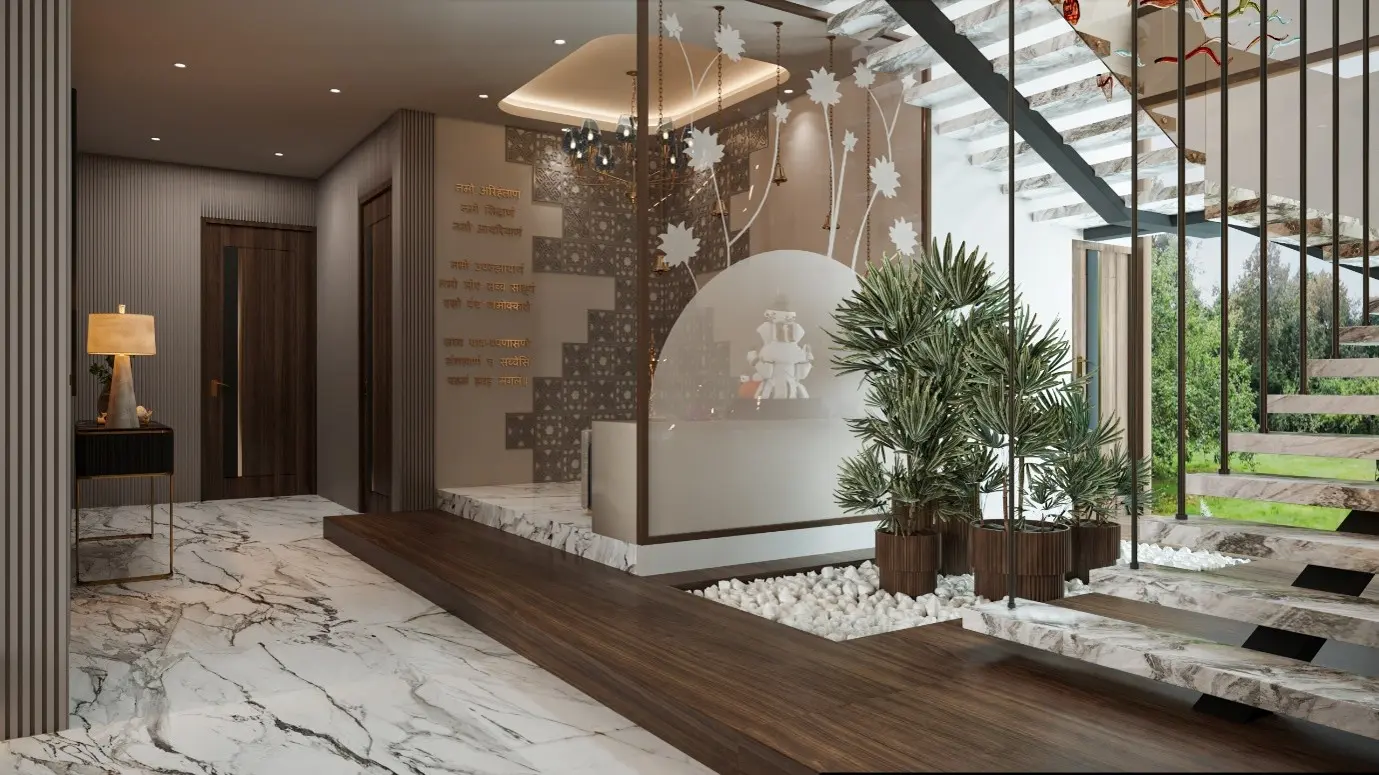
The following details precisely what is defining luxury interiors right now:
A Unique Design Language for Villas
Villas aren’t just oversized apartments; their volume created by dual-height ceilings, open floor plates and indoor-outdoor transitions are something smaller dwellings do not possess. This provides a unique opportunity and a considerable design challenge. Villa interiors require designers to navigate distinct zones (formal reception, family privacy, entertainment terrace, the courtyard etc.) while maintaining a cohesive visual language in and around them. This is where the present luxury villa interior design trends become particularly important, rather than just sources of inspiration:
Top Luxury Villa Interior Design Trends You Need to Know
1. Biophilic and Nature-Integrated Design
Large format glazing, internal courtyards and indoor gardens are now more structural rather than an additional element, with natural materials like limestone, raw wood and rattan being used to blur the boundaries between the built environment and the landscape.
2. Quiet Luxury over Maximalism
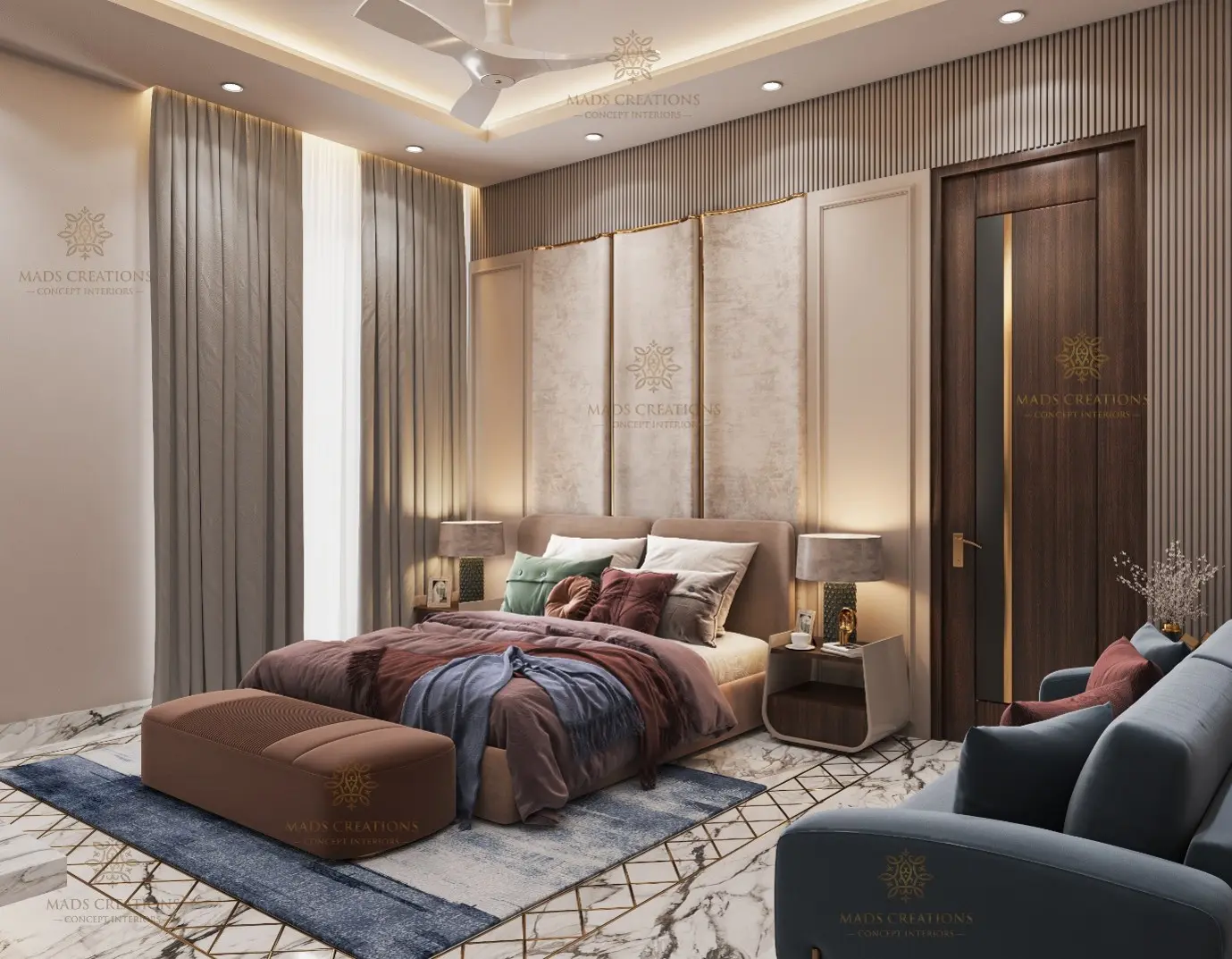
The ‘loud logo’ trend is fading; instead, expect to see muted tones, tactile fabrics, furniture selected for its craftsmanship rather than its visible designer label, hand-finished veneers and bespoke joinery rather than mere ornament, curated art rather than anything ostentatious.
3. Smart Home Integration as a Design Layer
Lighting scenes, climate zones and security systems are being designed into the building itself rather than being an add-on. Switches and panels are being hidden, voice and app controls are standard and automation is integrated rather than obvious.
4. Statement Wellness Spaces
This has now become more of a key area to the brief than a ‘nice to have’; home spas, steam rooms, yoga rooms and meditation spaces are being increasingly featured.
5. Sustainable and locally sourced materials
This continues to be an important consideration; more and more projects specify reclaimed wood, natural stone from regional quarries and low-VOC finishes to ensure environmental consciousness and use of materials that have both a story and texture.
6. Multi-generational and Flexible Layouts
These homes are often designed with semi-independent wings to provide space for multi-generational families to share without compromise on privacy, a trend that’s already rooted in Indian living arrangements.
7. Statement Lighting as Sculpture
Oversized pendant lighting and sculptural chandeliers, that are often made to commission for specific spaces like stairwells and double height living areas, are increasingly being used as artwork rather than purely a source of light.
What This Means If You’re Planning a Villa Interior
A villa project typically isn’t quick. Depending on scale and complexity, a full luxury villa interior design process from concept to execution can take several months, since it usually involves custom furniture, architectural detailing, and coordinated material sourcing. A few practical takeaways:
- Start with the architecture, not the furniture. Trends should complement the existing volumes and light, not fight them.
- Prioritize materials with longevity. Quiet luxury depends on quality holding up over years, not just first impressions.
- Don’t underestimate technical planning. Smart systems and wellness spaces need to be designed in early, not bolted on later.
- Budget for customization. Bespoke joinery and tailored layouts cost more upfront but define the villa experience.
Quick Summary
In 2026 interior design in luxury villas is abandoning florid maximalism in favour of sober, material driven schemes bolstered by intelligent technology and wellness-oriented areas. Biophilic aspects, sustainably sourced materials and adaptable, multi-generational floorplans are defining briefs for the whole sector, whereas statement lighting and custom handcrafting are becoming imperative, high-end signatures.
Frequently Asked Questions
What is the biggest trend in luxury villa interior design right now?
Quiet luxury tonal, material-driven design that favors craftsmanship and texture over visible branding or excessive ornamentation.
How long does a luxury villa interior design project usually take?
Most full villa interior projects take roughly three to four months, depending on the scale of customization, structural considerations, and material sourcing involved.
Are sustainable materials compatible with luxury villa design?
Yes. Reclaimed wood, natural stone, and low-VOC finishes are increasingly central to high-end design rather than being seen as a compromise on luxury.
Can villa interiors be customized for multi-generational families?
Absolutely. Flexible layouts with semi-independent wings are a growing request, allowing privacy and shared living to coexist within one property.