
Ask most homeowners what they want from a wardrobe and the answer is rarely “beautiful.” It is usually closer to: fit that awkward wall, hold everything they own, and not look like an afterthought. That gap between an idea and an object that works in a room is what custom made furniture is meant to close. What is less visible is how many steps sit between the two.
For a residential project, this process also connects closely with interior design services, because furniture does not exist separately from the room around it. Its proportions, placement and purpose all need to work within the wider interior.
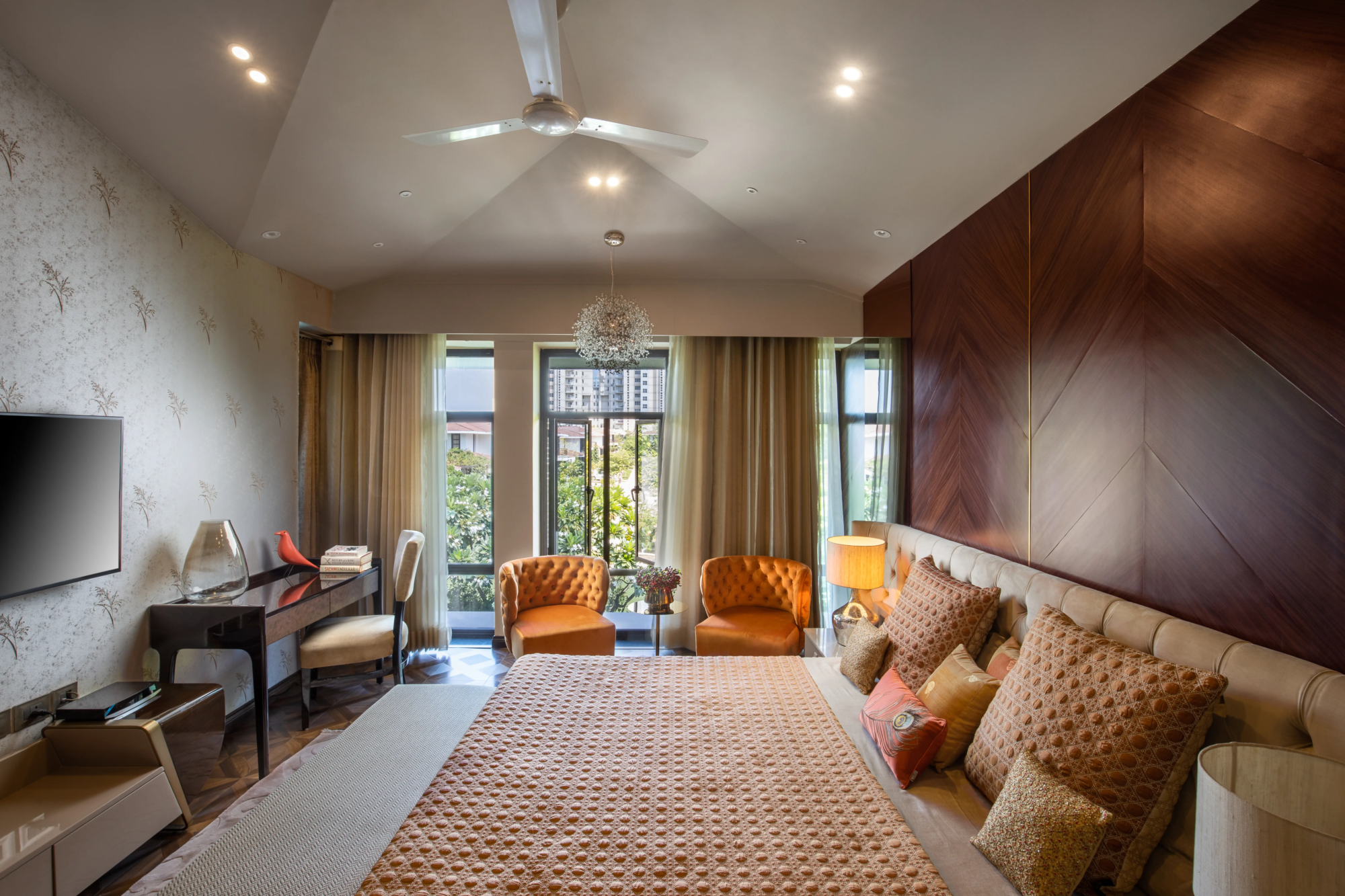
How Custom Made Furniture Starts as a Set of Constraints
Before any material is cut, a wardrobe starts as a set of constraints: the wall it sits against, ceiling height, door swing, and how much someone needs to store. A design consultancy typically begins with a site evaluation, understanding these constraints on the ground rather than assuming a standard room shape. From there, space planning and early design concepts take form, alongside furniture concepts for the pieces that will fill that space.
The same evaluation can apply whether the piece being planned is a wardrobe, a kitchen, a vanity or a freestanding piece of furniture. The initial planning stage is not decorative. It helps determine whether the piece will continue to make sense as the home is used over time.
Turning a Concept Into Something Buildable
An idea for a wardrobe is not the same as instructions a workshop can follow. 3D renders and technical drawings help bridge that gap. A render shows what the piece should look like, while a technical drawing shows how it should be built, including shelf heights, drawer widths, hinge positions and how it will sit within the space.
Custom designed furniture depends on this translation being clear and accurate. Colour schemes and design details are also considered at this stage, so the furniture is developed as part of the room rather than in isolation. The same thinking applies well beyond wardrobes, wherever a piece needs to be understood in relation to its use and the space around it.
Why Dimensions Do Most of the Work
Off-the-shelf furniture is built to average dimensions. Custom furniture is developed around the dimensions of one particular space, which can affect both practical use and visual balance.
- Storage requirements can be planned according to how a space will actually be used.
- A console or dining table needs to work with the available space rather than simply fit within it.
- Coordination with the interior allows a piece to relate to surrounding doors, wall details and other elements.
The objective is not simply to make furniture that fits. The design also needs to make sense visually within the wider interior.
What Happens Inside the Manufacturing Unit
The manufacturing stage is where earlier drawings are translated into physical pieces. MADS Creations, a residential interior design and bespoke furniture company operating since 2002, manufactures approximately 90% of what enters its projects in its own manufacturing unit. This includes wardrobes, doors, kitchens, vanities, metal partitions, loose furniture and accessories.
A piece at this stage moves through cutting, joinery and assembly, followed by finishing, with the process adapting to the construction and design of what is being made.
Keeping furniture manufacturing connected to the design process also allows the original design intent to remain part of the making process. The result is not just a collection of individual furniture pieces, but elements developed for a particular residential interior.
The Last Stretch: Installation
A well-made piece of furniture still needs to be installed carefully on site. The finished piece has to work with the actual wall, floor level, skirting and surrounding elements so that it sits appropriately within the room.
Installation is usually the point where a piece stops being “just furniture” and starts becoming part of the room, sitting within the space as planned while accounting for the conditions found on site.
The Journey in Brief
- Site evaluation and space planning establish the real constraints of the room.
- Design and furniture concepts translate those constraints into an early idea.
- Renders and technical drawings turn the idea into buildable instructions.
- Manufacturing, including cutting, joinery and finishing, builds the piece.
- Installation fits the finished piece into real site conditions.
Kitchens, vanities, partitions, dining tables, consoles and other furniture pieces can follow a similar path. This is where interior design services and furniture manufacturing come together, with each supporting the development of the finished residential space.
Custom Furniture Beyond Storage
Custom furniture is not limited to wardrobes and storage. Within a residential interior, it can take several forms.
Functional pieces can be created around specific requirements, such as kitchens, vanities, wardrobes and storage cabinets. Design-led pieces can be developed around the proportions and character of a room, including dining tables, consoles, beds and seating.
There are also pieces where the visual role is just as important as the practical one. A distinctive coffee table, console, accent chair or other statement furniture piece can be introduced to enhance the look and character of a space.
The important point is that custom furniture can serve different purposes within the same home. Some pieces need to solve a practical problem, some need to complement the interior, and some are primarily there to make a visual statement. The design process needs to account for whichever role the piece is intended to play.
How Turnkey Interior Design Connects the Pieces
Turnkey projects bring design, site execution and furniture manufacturing into one coordinated process. For residential projects involving multiple customised elements, keeping these stages aligned helps connect furniture production and installation with the wider interior.
The same principle applies across fitted storage, kitchens and more design-led statement pieces. Each element needs to work within the space while contributing to the overall design direction.
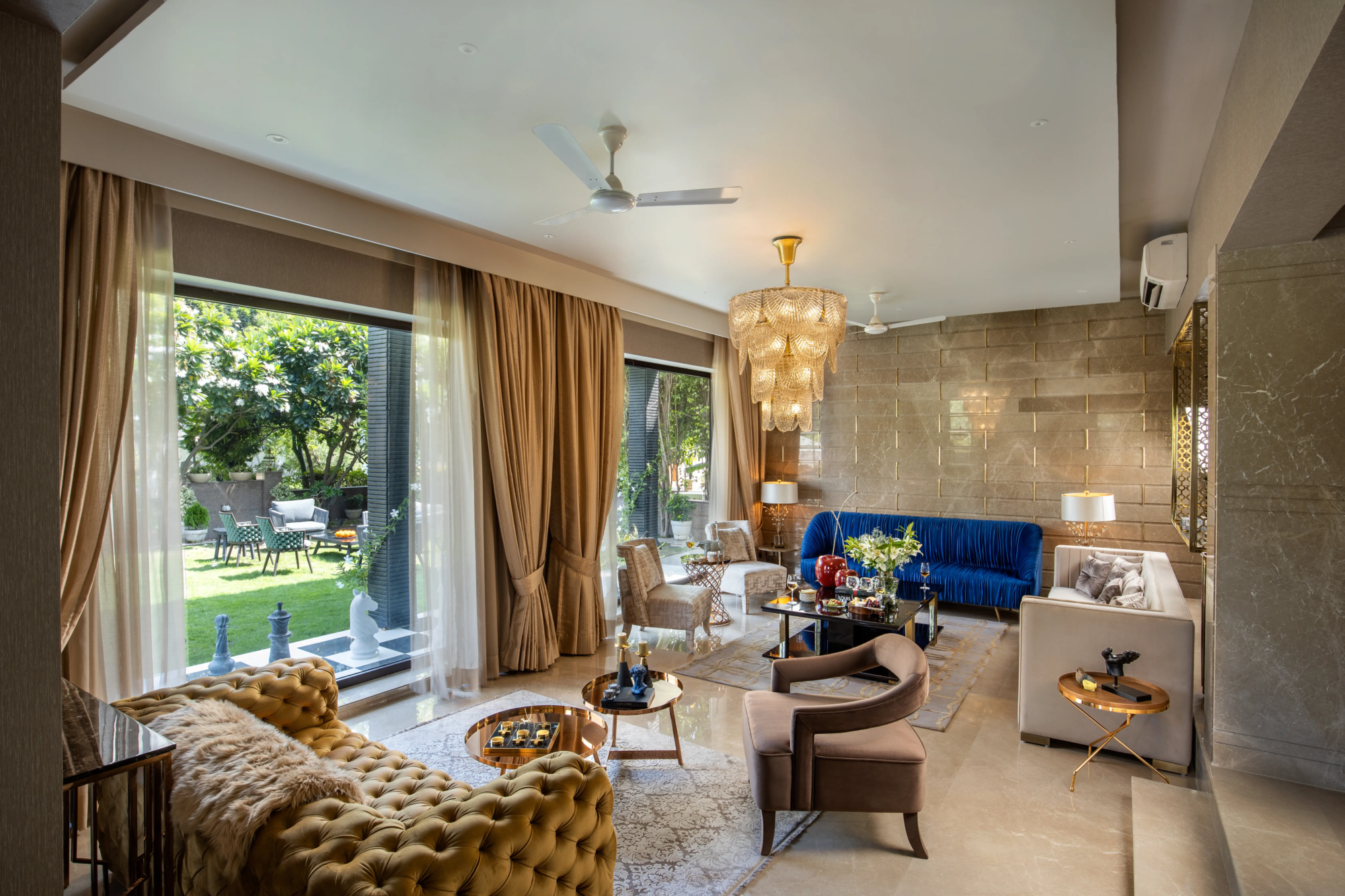
Frequently Asked Questions
- How long does custom made furniture take from design to installation?
Timelines vary by scale and scope. Design consultancy typically takes around 45 working days, with manufacturing and installation following once the drawings are finalised. - What kinds of furniture can be custom made?
Custom furniture can cover wardrobes, kitchens, vanities, dining tables, consoles, beds, cabinets and seating, depending on what a space needs. - Can custom furniture be both functional and decorative?
Yes. A piece can address practical requirements such as storage, dimensions and usability while also contributing to the visual character of a room. Some pieces may also be created primarily as statement elements. - What is the difference between modern furniture design and a custom design?
Modern furniture design generally refers to a particular style or aesthetic, while a custom design is developed around the requirements of a specific space, layout and use. - How does manufacturing connect with the interior design process?
Design concepts, space planning, furniture concepts, 3D renders and technical drawings help establish how furniture should work within the wider interior. Manufacturing then translates those decisions into physical pieces, followed by installation on site.
Choosing the Right Interior Design Company in Gurgaon
Portfolios are usually the first thing homeowners look at when weighing their options. Finished photographs are useful, but they do not always explain how the spaces were created.
When considering an interior design company in Gurgaon, it is worth asking:
- Who designs and manufactures the furniture?
- Which furniture elements are made in-house?
- How are furniture dimensions coordinated with the interior layout?
- How are design details communicated through production?
- How is furniture installed within the finished space?
The answers can provide a clearer understanding of how a firm’s design approach translates into a finished home.
The Role of Interior Design in the Finished Piece
Custom furniture is not simply about making something unique. It is about making something that belongs to a space and works with the design around it, from the width of a wall to the way a room is used.
A wardrobe that looks good in a render still has to work within a real room and suit a household’s storage habits. The same principle applies to kitchens, vanities and other furniture pieces. When practical use and visual design are considered together, the finished piece becomes part of the interior rather than an object added afterwards.
The journey from sketch to finished piece works best when design, drawings, manufacturing and installation remain connected throughout the process.